






Winter is one of the most damaging seasons for exterior wood structures. In regions like Virginia, Maryland, and Washington D.C., repeated exposure to rain, snow, and fluctuating temperatures creates the perfect conditions for moisture intrusion. When left unaddressed, this moisture leads to rot, mold growth, and soft or weakened wood—problems many homeowners only discover once winter has already caused significant damage.
Why Moisture Is So Destructive in Winter
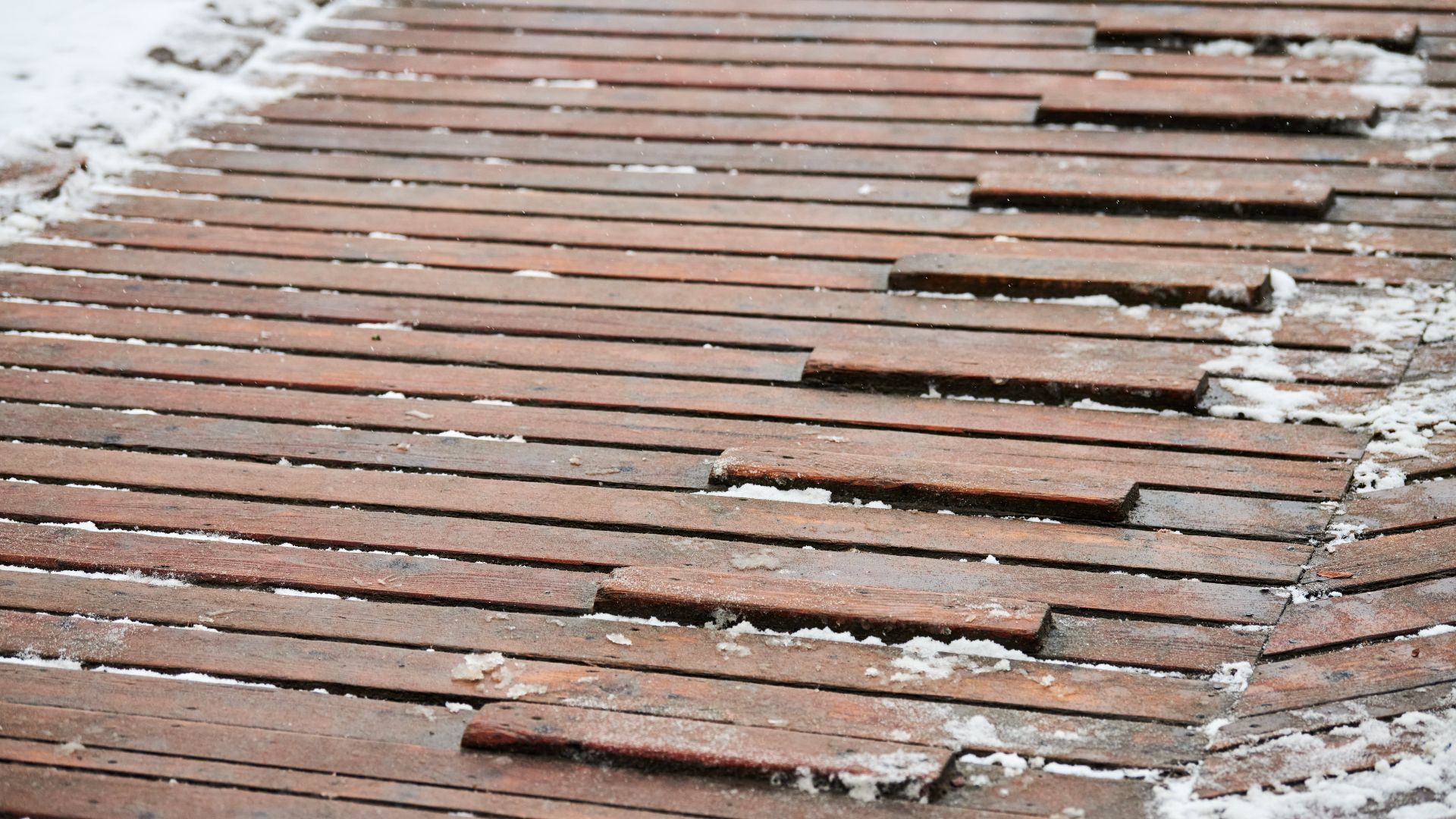
Wood is a porous material. When moisture enters small cracks, seams, or unsealed edges, it doesn’t simply dry out during winter. Instead, cold temperatures cause a freeze–thaw cycle: water freezes, expands, and then thaws, forcing the wood fibers apart. Over time, this process widens cracks, loosens fasteners, and compromises the structural integrity of decks, sheds, trim, and siding.
According to building science principles referenced by the U.S. Department of Energy and the EPA, prolonged moisture exposure combined with low temperatures accelerates material deterioration and creates ideal conditions for mold growth, especially in shaded or poorly ventilated areas.
Common Warning Signs Homeowners Ignore
Many exterior wood problems begin subtly. Homeowners often notice:
- Dark staining or greenish discoloration near the base of structures
- Soft or spongy wood when pressed
- Peeling paint or bubbling finishes
- A musty odor near decks, sheds, or exterior walls
How Winter Moisture Affects Decks, Sheds, and Siding
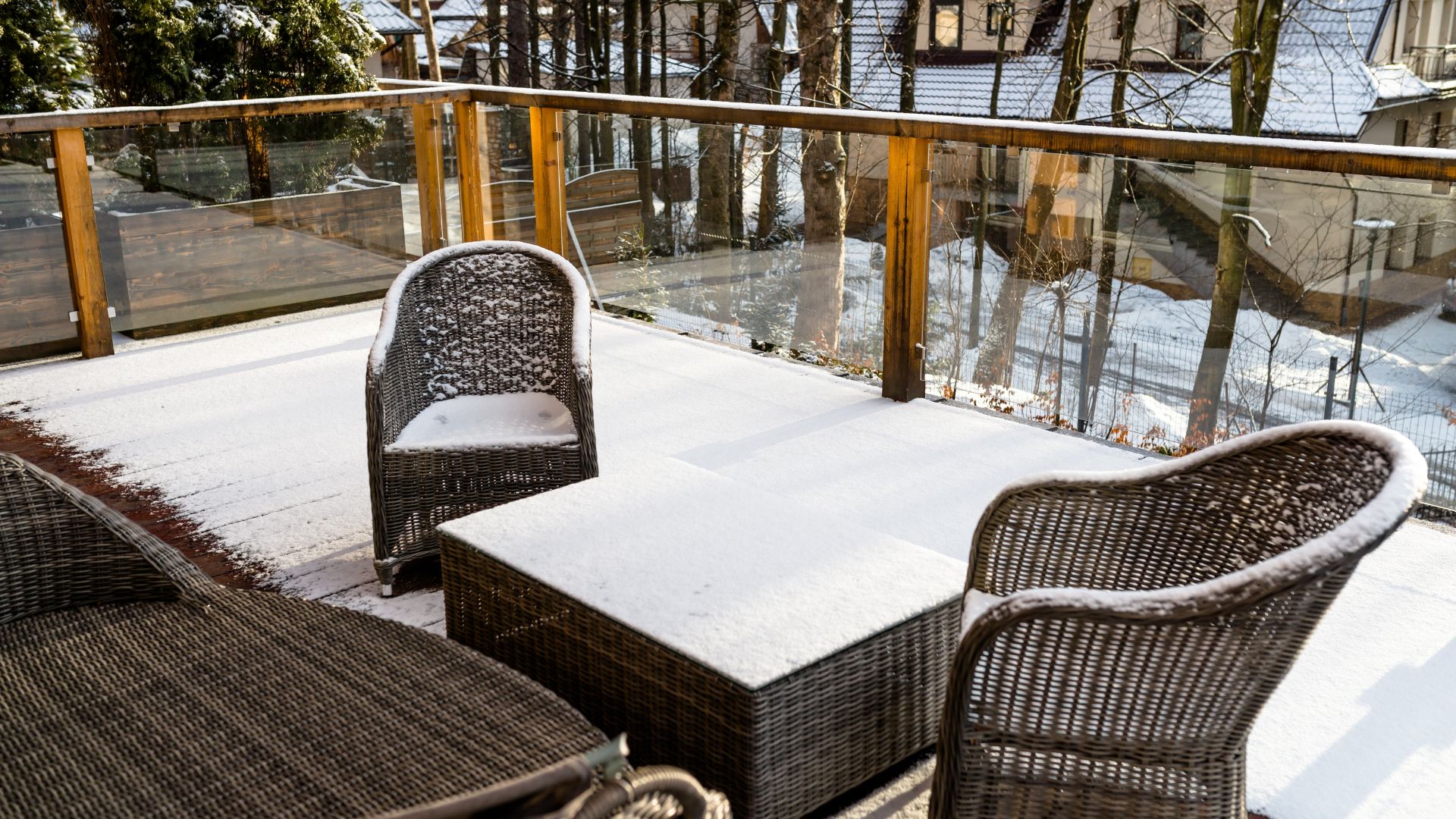
Decks are particularly vulnerable because water collects between boards and around fasteners. Sheds and outdoor structures often fail first at the base, where wood meets the ground and drainage is poor. Siding and trim suffer when water penetrates behind painted surfaces, leading to hidden rot that spreads beneath the exterior finish.
By spring, what started as surface-level moisture often becomes structural damage requiring extensive repairs or full replacement.
Why Waiting Until Spring Is a Costly Mistake
Spring is the busiest season for exterior construction, which means limited availability and delayed scheduling. More importantly, moisture damage does not stop once winter ends. Continued exposure weakens framing, spreads rot, and increases repair costs. Early intervention during winter can prevent minor issues from turning into major structural projects.
How Hector Ryan Construction Solves These Problems
Hector Ryan Construction specializes in winter-safe exterior repairs designed to stop moisture damage at its source. Our team inspects wood structures for hidden rot, replaces compromised boards, improves drainage and ventilation, reinforces framing, and restores protective finishes through professional painting and sealing.
We provide deck repairs, exterior remodeling, carpentry, siding repairs, and painting services that protect your property during the harshest months—when prevention matters most.
Protect Your Home Before Winter Damage Spreads
If you’ve noticed soft wood, discoloration, peeling paint, or moisture buildup on your deck, shed, or siding, now is the time to act. Ignoring these signs until spring allows damage to spread beneath the surface, increasing both risk and repair costs.Hector Ryan Construction is licensed, insured, and ready to address winter moisture damage before it becomes a major problem. Scheduling repairs now ensures your exterior structures are protected, structurally sound, and ready for the seasons ahead.